
Whole-Home Generators
Standby generators sized to your home, with automatic transfer switches that kick on within seconds of an outage.
What we install
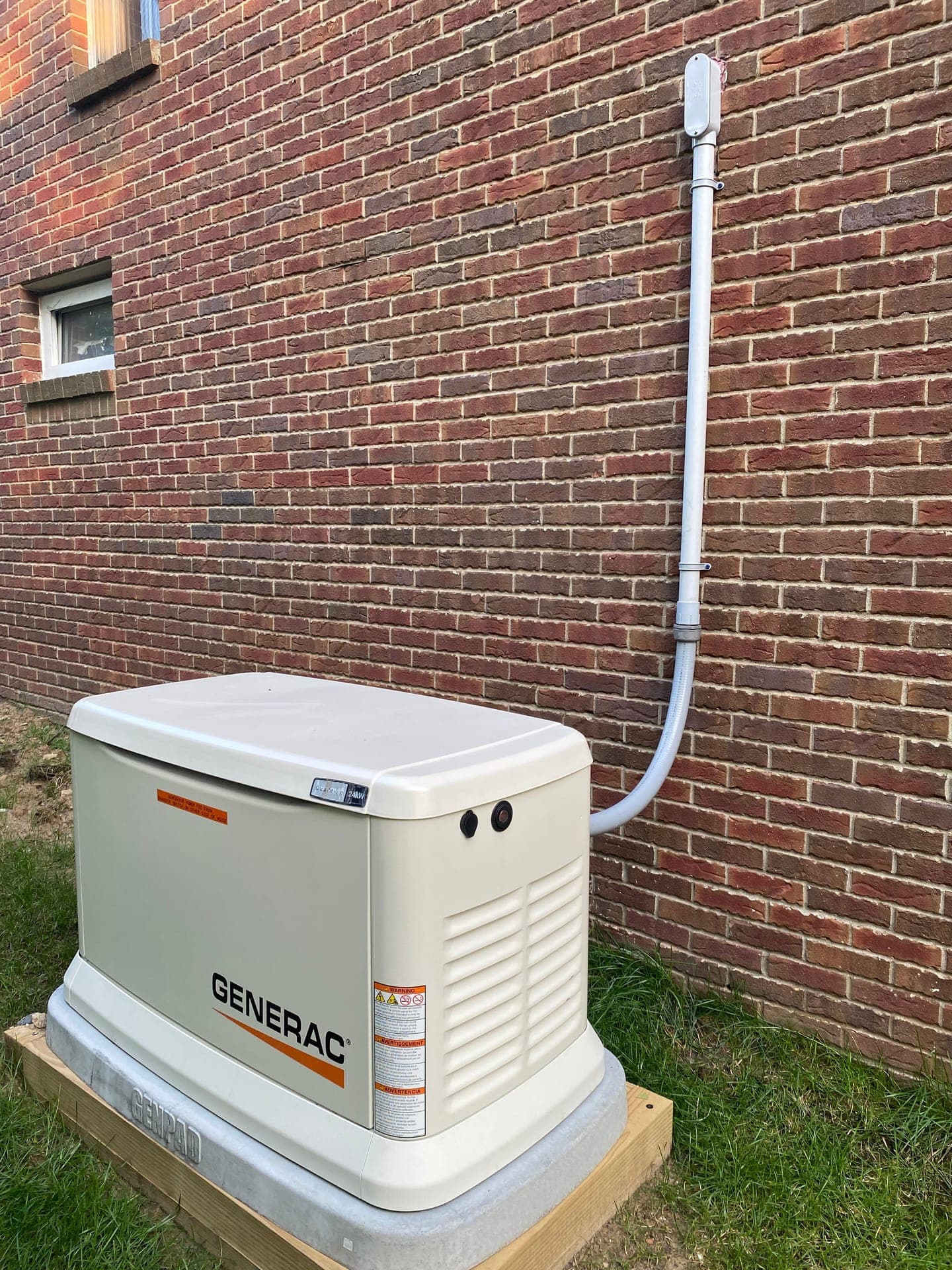
A whole-home generator is more than a backup — it's the difference between a brief inconvenience and a multi-day disruption. We size the unit to your real load, install the transfer switch correctly, and handle the gas line coordination so your home goes from outage to powered in seconds.
- Standby generator selection sized to your actual load
- Concrete or composite pad set per manufacturer spec
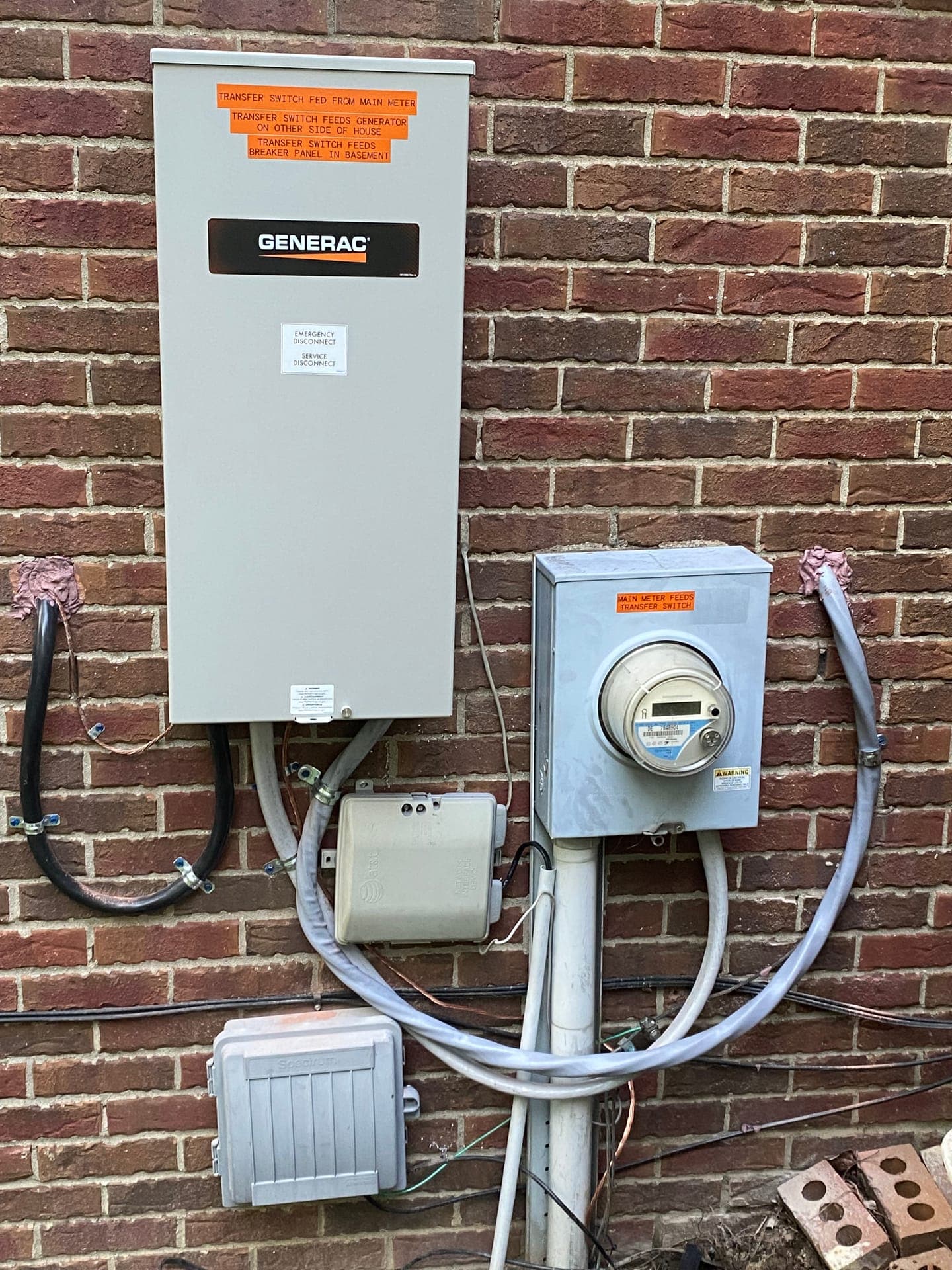
- Automatic transfer switch (ATS) — whole-home or critical-loads
- Gas line coordination with your plumber or utility
- Code-compliant disconnects, conduit, and grounding
- Manufacturer commissioning and exercise schedule setup
Why customers pick Ark
The details that make the difference on every job.
Right-sized, not over-sized
We do a real load calculation — not a guess. Right-sizing saves you thousands up front and avoids fuel waste over the unit's life.
Whole-home or critical loads
Want everything to stay on? We'll size for that. Want to save money by backing up just essentials? We'll wire a critical-load panel.
Gas line coordination
Generators need fuel — natural gas or LP. We coordinate the gas line work with your plumber or utility so the project stays on schedule.
Permitted and inspected
Every install is permitted, inspected, and signed off. We handle the AHJ communication so you don't have to.
Maintenance plans
Generators need annual service to start when you need them. We offer maintenance plans that keep your warranty valid and your unit ready.
Honest brand recommendations
We work with multiple manufacturers. We'll recommend the right unit for your home — not just the one with the best margin.
Frequently asked questions
Common questions about this service. If yours isn't here, give us a call.
- How big a generator do I need?
- It depends on what you want to power. A small unit (around 10–14 kW) covers essentials — fridge, furnace, sump pump, lights. A whole-home generator (20–24 kW or more) runs everything including HVAC. We do a real load calculation as part of the quote.
- How long does generator installation take?
- Most residential standby generator installs take 1–2 days of electrical work, plus separate gas line work and an inspection visit. Total project timeline is usually 2–4 weeks from quote to fully commissioned.
- Natural gas or LP?
- If you have natural gas service to your home, that's almost always the right answer — no fuel storage, unlimited runtime. LP (propane) is a great option for homes without natural gas, especially with a larger tank.
- How does the automatic transfer switch work?
- When the utility power goes out, the ATS detects it within a few seconds, signals the generator to start, and switches your home from utility power to generator power. When utility power returns, it switches back automatically and shuts the generator down.
- Do generators need maintenance?
- Yes. Standby generators self-test weekly, but they need annual service — oil change, filter, battery check, exercise verification — to maintain warranty coverage and reliability. We offer maintenance plans that handle this.
- Are permits and inspections required?
- Yes — both for the electrical work and the gas line work, in most Michigan jurisdictions. We pull the electrical permit and coordinate with your gas contractor. The inspection cost is included in our quote.
Ready to Get Started?
Contact us today for a free quote on your electrical project. Our team of licensed professionals is ready to help.